
Volusia County closes several boat ramps as rising water levels create hazardous conditions
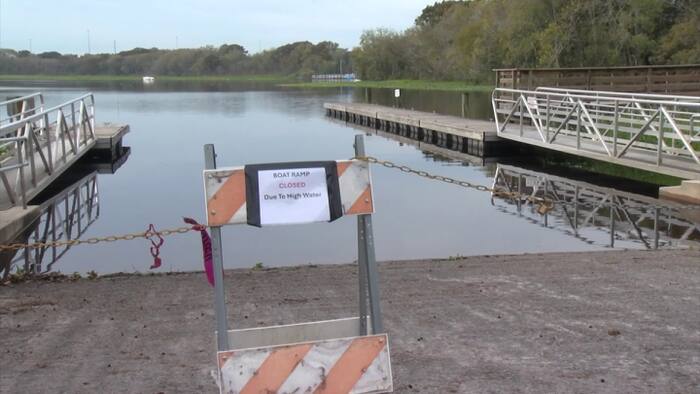
Boaters in Volusia County are running into closed gates and warning signs at several popular launch sites as rising water levels and hazardous conditions force temporary boat ramp closures along the St. Johns River and Intracoastal Waterway.
Volusia County officials say the closures are necessary to protect boaters from dangerous conditions, including submerged parking areas, underwater debris and fluctuating water levels that can make launching and retrieving boats difficult.
The closures are happening for two different reasons, depending on where boaters are trying to get on the water.
St. Johns River: Heavy rainfall pushing water levels higher
Along the St. Johns River, recent heavy rainfall across Central Florida and neighboring counties is contributing to rising water levels.
Much of that rain fell farther south, including in Brevard County. Because the St. Johns River flows north, runoff from those areas eventually makes its way into Volusia County.
County officials say the rising water can submerge parking areas and hide debris, creating potentially dangerous conditions for boaters.
“Runoff from the excessive rain, it goes into the St. Johns River and that river flows northward. So now Volusia County, we’re starting to see the effects of that, the river rising,” a county representative explained.
Unlike the Intracoastal closures, officials expect some St. Johns River boat ramps to remain closed for an extended period. There is no firm reopening date. Facilities will reopen once water levels recede and county staff determine they are safe.
Officials also say additional ramps could close if water levels continue to rise and begin affecting access or public safety.
Intracoastal Waterway: King tides create changing conditions
Along the Intracoastal Waterway, the closures are tied to the recent king tide cycle.
Higher-than-normal tides can push water over boat ramps, docks and nearby parking areas, making facilities inaccessible or unsafe during high tide.
One concern for county officials is that conditions can be deceiving. A ramp may look perfectly usable during low tide, but water levels can rise significantly while someone is out on the water.
“You may be able to get your boat out there and go, and you stay out there on the water for a few hours or something, and you come back and it’s high tide and you’re not going to be able to get your boat out of the water,” the county representative said.
Even though the king tide cycle has ended, county crews still need to monitor water levels and inspect affected facilities for debris and possible damage before reopening them.
The county anticipates some Intracoastal boat ramps could remain closed through the end of the current closure period, depending on water levels and safety inspections.
Boaters also warned about no-wake restrictions
For boaters who are still able to access the St. Johns River, officials are emphasizing the importance of following posted idle-speed and no-wake restrictions.
The Florida Fish and Wildlife Conservation Commission has established restrictions in several areas along the river, with enforcement involving local law enforcement.
Officials say boat wakes can push additional water onto already vulnerable shorelines, potentially worsening flooding and damaging nearby homes, docks, roads and other structures.
“Anybody out there, please adhere to the no-wake restrictions,” the county representative said.
How to check which Volusia County boat ramps are open
Volusia County Parks and Recreation staff are continuing to monitor water levels, inspect ramps and evaluate the stability of docks and other structures.
Officials urge boaters to obey all posted closure signs and avoid using facilities that are submerged or otherwise unsafe — even if conditions appear better during low tide.
Boaters can check the latest status of county-maintained boat ramps, including closures and reopening updates, by clicking here.
Officials say reopening decisions will be made on a ramp-by-ramp basis as conditions improve.