
Don’t let storm chasers profit from your flood damage
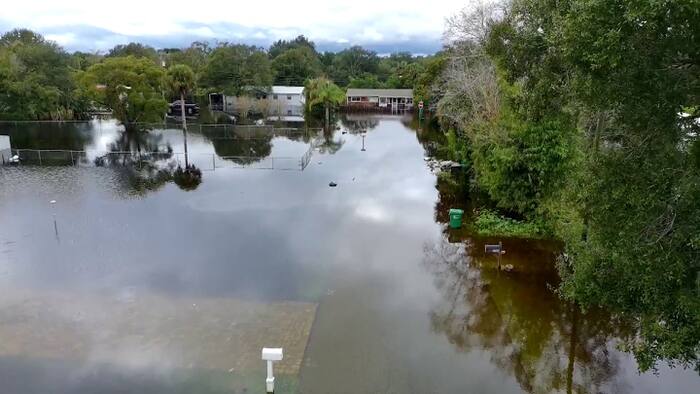
As floodwaters recede across parts of Central Florida, homeowners facing costly damage are being urged to slow down and carefully check out contractors before signing anything.
The Better Business Bureau says people dealing with damaged homes and lost belongings can be especially vulnerable to door-to-door pitches from contractors promising quick repairs. Some companies may be legitimate, but officials warn that storm chasers often arrive after major weather events, and problems can surface later.
“It’s very devastating when you look at this damage that these folks are having to deal with,” said Gerry Mendiburt, director of investigations for BBB Central Florida. “They’re very vulnerable at this time.”
[WATCH: Palm Bay flood victims warned about predatory contractors]
Mendiburt said he had not seen complaints about flood-recovery contractors at the time of the interview, but said complaints typically increase after the water goes down and repair work begins.
There are three major red flags the BBB warns homeowners about before hiring a contractor:
- Pressures you to sign right away. Take time to read the contract and compare options. Don’t let a door-to-door sales pitch rush you into a decision.
- Has little or no verifiable track record. Check the company’s history, reviews and complaint record through the BBB and other independent review sources. Find out how long it has operated locally.
- Cannot verify the required license. Mold assessors and mold remediation contractors require state licenses in Florida. Other repairs may also require a license, depending on the work.
Homeowners can search the Florida Department of Business and Professional Regulation’s (DBPR) website to check a company or license holder, see what type of work the license covers and review available disciplinary information. Confirm that the person whose license is listed is actually associated with the company you plan to hire.
The BBB recommends getting at least three estimates and contacting your insurance company before signing a repair contract. Policies may specify which contractors are covered, and signing first could leave a homeowner responsible for a bill the insurer will not pay.
“Way too often we’ve seen where homeowners will sign a contract, the contractor comes in, they do all this work, here comes the bill, [and] the insurance company says, ‘We’re not paying,’” Mendiburt said. “The homeowner’s on the hook.”
“Keep receipts, take video pictures of your home. All the belongings. So that later on, if you need to file an insurance claim, you have documentation, said Mendiburt.
After choosing a contractor, avoid paying a large deposit upfront. For major jobs, the BBB recommends using a credit card when possible. If paying by check, make it payable to the company—not an individual. Mendiburt also advised against using wire transfers or payment apps for large projects.
Before work begins, make sure the contract clearly identifies the company, the work to be done and the payment terms. Keep a copy of everything you sign.
“Folks are in a very desperate situation, but they really need to try and take a pause before they sign anything,” Mendiburt said.