
Florida Amendment 3 and renters: What we know, and don’t know
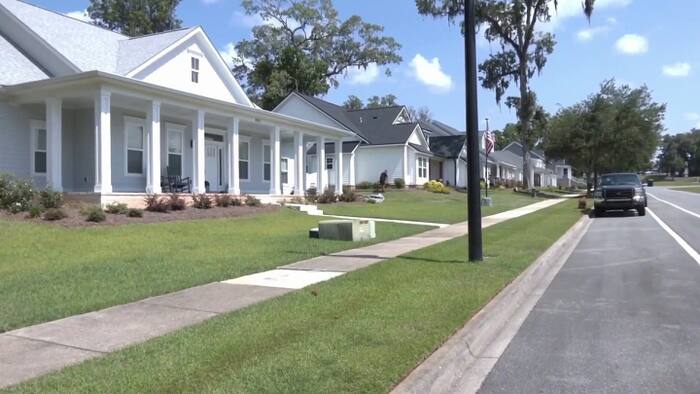
Florida Amendment 3 passed Tuesday night with 62% of the vote.
That means that come Jan. 1, property owners who get a homestead exemption can expect their property taxes to go down next year.
But if you are renting a home, what does that mean for you?
We are seeing a lot from our viewers right now on social media worried about higher rent.
So here is what we know.
What Amendment 3 does
Amendment 3 has several provisions. Chief among them is increasing the homestead exemption for all non-school property taxes to $150,000 in 2027 and $250,000 in 2028, and adjusting for inflation thereafter.
The measure also places restrictions on what governments can spend general revenue (read: tax revenue) on:
- Public safety
- Education
- Infrastructure
- Natural resource projects and flood control
- Local bonds
- Employee retirement benefits
- Government operations
Those limits mean local governments may have to find other ways to spend money on things like public libraries, animal shelters and parks and recreation. Health, affordable housing and homeless programs may also lose funding.
For non-homestead properties, like businesses, apartment complexes and vacation homes, the cap on assessed value of those properties will be increased from 10% to 5% each year, which means lower property taxes.
So renters won’t see any benefits?
Renters will definitely not see any direct benefits. Will they see indirect benefits?
This depends on two things: landlords and how governments tackle replacing revenue.
Local governments rely on a mix of fees and taxes to handle revenue, not just general property taxes.
If local governments decide to raise property taxes and fees on non-homesteaded properties, it will be up to a landlord to decide whether to pass those fees onto renters.
A study commissioned by the Florida Housing Coalition, Florida Apartment Association and Miami Homes for All earlier this year found that taxes would increase by $406 on the average Florida apartment unit, $1,081 on rental homes, and $1,196 on owner-occupied properties that do not qualify for a homestead exemption.
The study says some 31.9% of households rent rather than own. Of householders under the age of 45, 53.3% rent a home rather than own.
You can read the full study HERE.
These unknowns won’t start to be answered until property appraisers start doing their assessments in January.
After that, governments will have to decide what they do with taxes and fees.
If taxes on rental properties do not go up, will landlords pass any savings onto their tenants? That’s up to them.
Gov. DeSantis is calling for a special session before January to tweak amendment provisions, particularly with regard to how much local governments can do to offset the loss of revenue.