
How to tell if you have a cold, flu, COVID-19 or RSV — and why it matters
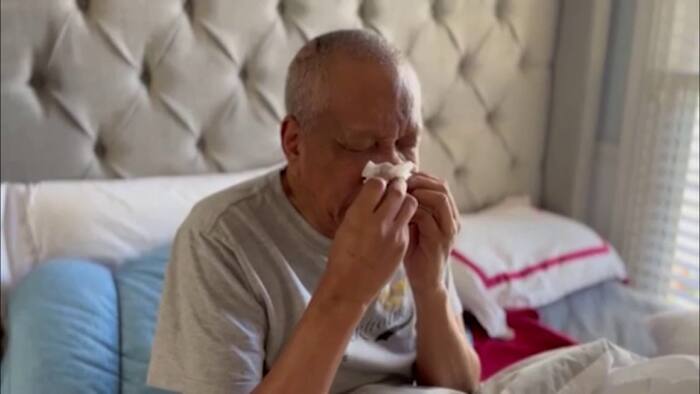
Respiratory virus season is here, and this year’s early U.S. flu cases appear to be driven by a variant of the H1N1 influenza virus, according to experts at the Johns Hopkins Bloomberg School of Public Health. COVID-19 and RSV are expected to start spreading in the coming weeks.
With so many viruses circulating at once, figuring out which one is making you sick matters more than you might think.
“There are COVID and influenza antiviral drugs available if you do get infected, but they need to be taken within a few days of symptom onset,” said Andrew Pekosz of the Johns Hopkins Bloomberg School of Public Health.
Here is how to tell the difference.
Cold
The common cold typically peaks within two to three days of infection. Symptoms can include:
- Runny nose
- Nasal congestion
- Sneezing
- Cough
- Sore throat
- Headache
- Mild body aches
- Low-grade fever
If breathing becomes difficult, Pekosz says that is a red flag.
“If you have some trouble breathing, that usually means the infection is spreading deeper into your lungs, and then it’s probably not a cold — it’s probably one of the other respiratory viruses,” he said.
Flu
Flu symptoms often look like a cold, but with one key difference: they come on suddenly. Watch for fever or chills, fatigue, and gastrointestinal issues — particularly in children — alongside the typical cold-like symptoms.
COVID-19
COVID-19 symptoms can appear anywhere from two days to two weeks after exposure. In addition to cold and flu-like symptoms, COVID-19 may also cause:
- Shortness of breath or difficulty breathing
- New loss of taste or smell
RSV
Respiratory syncytial virus, or RSV, typically causes mild, cold-like symptoms within four to six days of exposure. Unlike other respiratory illnesses, RSV symptoms tend to appear in stages rather than all at once. Additional signs can include:
- Decreased appetite
- Wheezing
In very young infants, RSV may also cause irritability, decreased activity, and breathing difficulties.
Get vaccinated now, experts say
Johns Hopkins Bloomberg School of Public Health experts say if you have not yet been vaccinated for COVID-19, flu, or RSV — if eligible — now is the time. It takes about two weeks for maximum protection to set in, and vaccines provide protection for several weeks to several months after the shot.