
St. Johns River nears Hurricane Irma levels, threatening Brevard County businesses and homes
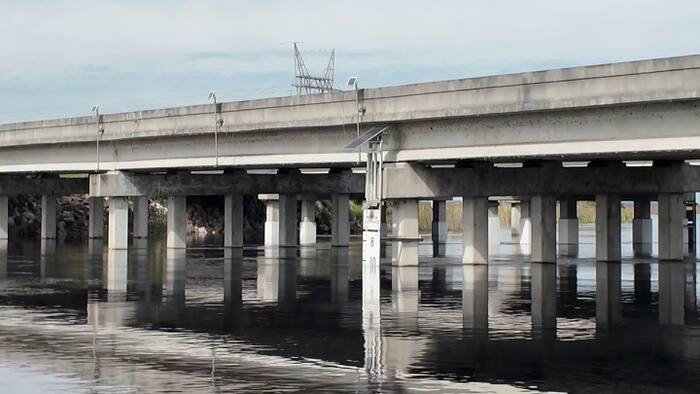
St. Johns River nears levels not seen since Hurricane Irma, raising flood concerns in Brevard County The St. Johns River is rising to levels not seen in nearly a decade, prompting concern for people and businesses along the water in Brevard County as forecasters warn it could climb even higher this weekend.
At Twister Airboat Rides, the water has risen so much that a dock is nearly level with outdoor dining tables. The business had to add an extra step so customers could safely board its boats.

“I’ve never seen it this high before,” said Michaela Salazar, with Twister Airboat Rides.
Salazar said a dark line on the property marks the highest water level from Hurricane Irma in 2017, and the river is now getting close to that mark.
“We’re dangerously close to that,” she said. “We had to put in an extra stair just so we can get the plank to be level with the dock.”

The National Weather Service warns river levels could reach more than 17 feet this weekend. Brevard County Emergency Management said water dumped over south Brevard last week is now flowing north, adding to the rising river levels.
“We anticipate primarily impacts to yards, to pasturelands, maybe to some streets,” said Rachel Horst, public information officer for Brevard County Emergency Management. “There is a minor potential for some homes.”
Horst said the river is projected to rise another one to two inches. For businesses along the river, even a small increase could be enough to cause problems.

“Six inches might be enough to do the trick to get us closed down,” Salazar said.
County officials said they are closely monitoring water levels and conditions. Emergency management officials said people in potential flood zones can use bags of sand, dirt or mulch to help protect their homes. They recommend stacking the bags in a brick pattern with a moisture barrier underneath.
The river is expected to continue rising into the weekend, and county officials are urging residents in low-lying areas to stay alert for changing conditions.
